Middle East Rug Trends 2027: Luxury, Texture & Bespoke Design Defining the Future of Interiors
The Middle East has become one of the most influential regions in luxury interior design. From waterfront villas in Dubai and branded residences in Riyadh to boutique hotels in Doha and private homes across Kuwait, the region continues to redefine what modern luxury looks and feels like.
Today’s interiors are no longer built around extravagant decoration alone. Designers are focusing on spaces that feel refined, calming, and deeply personal. in Middle East Rug Trends 2027 Every material is carefully selected, every finish has a purpose, and every furnishing contributes to the overall experience.
Within this shift, rugs have taken on a much larger role.
Instead of being treated as a finishing accessory, rugs are becoming the foundation of a room. They define seating areas, introduce warmth to stone flooring, improve acoustics, and bring handcrafted character into contemporary spaces dominated by marble, glass, and clean architectural lines.
As we look toward 2027, several design movements are shaping how architects, interior designers, and luxury homeowners are choosing rugs throughout the Middle East.
1. Sculptural Rugs Are Replacing Traditional Patterns
For decades, Persian-inspired motifs and ornate carpets defined luxury interiors across the Middle East. While these classics remain timeless, contemporary projects are embracing a different design language.
Sculptural rugs are becoming the preferred choice for modern homes.
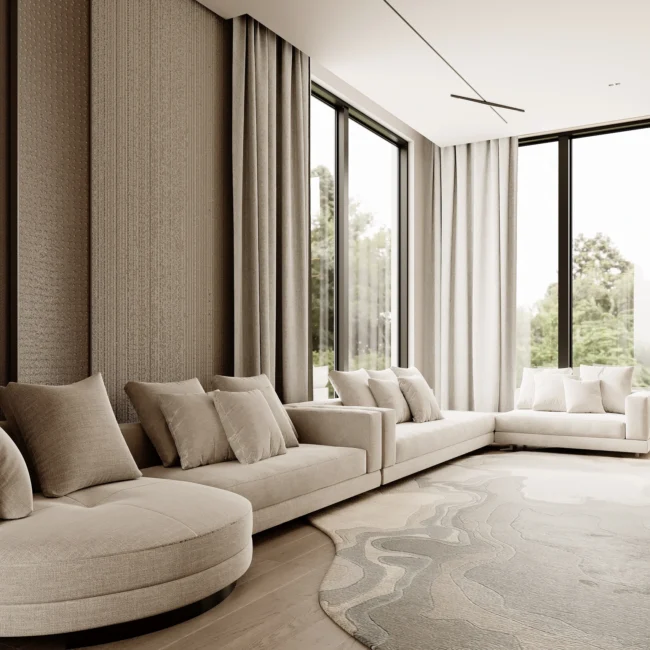
Instead of relying on decorative patterns, these rugs create visual interest through texture, carving, and varying pile heights. Organic curves, abstract forms, and hand-finished surfaces transform a rug into an artistic feature rather than a decorative layer.
Middle East Rug Trends 2027 Natural light enhances these details throughout the day, creating subtle shadows that give the surface depth and movement.
The result is understated luxury that feels sophisticated without overwhelming the architecture.
2. Warm Minimalism Is Defining Luxury Homes
Minimalism continues to influence interiors across the Gulf, but its character has changed with Middle East Rug Trends 2027
The bright white spaces that dominated the last decade are giving way to interiors filled with warmth and natural materials. Designers are introducing earthy colors, textured fabrics, and handcrafted finishes to make homes feel comfortable while maintaining a refined aesthetic.
This philosophy is reflected in today’s rug selections.
Popular colours include:
- Sand
- Camel
- Limestone
- Warm Ivory
- Taupe
- Clay
- Terracotta
- Olive
- Greige
These shades blend effortlessly with natural stone flooring, oak furniture, brushed brass finishes, and soft architectural lighting.
Rather than becoming the focal point, the rug creates a calm visual foundation that allows every other element in the room to work together in Middle East Rug Trends 2027
3. Marble Interiors Need Texture
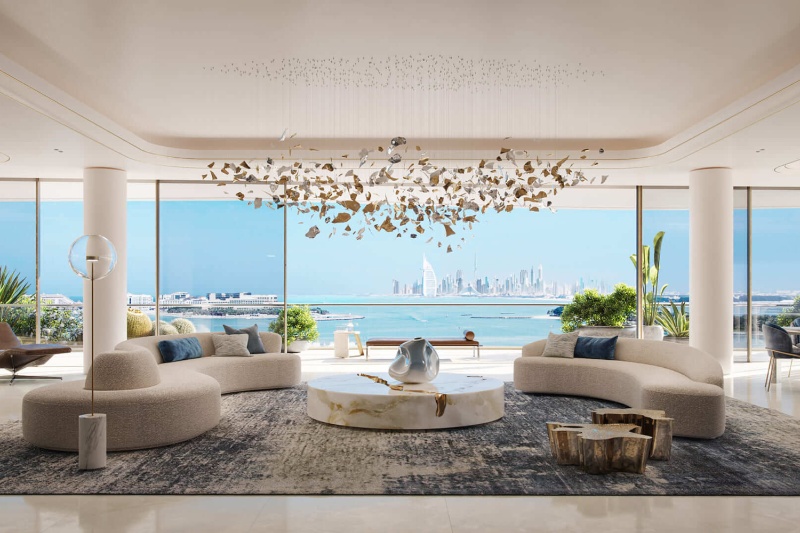
Marble continues to dominate luxury architecture throughout the UAE, Saudi Arabia, Qatar, and Bahrain.
While marble offers elegance and durability, it can also make large spaces feel visually cold with our Middle East Rug Trends 2027
Designers are solving this challenge through handcrafted rugs that introduce softness without compromising sophistication.
Instead of bold colours or intricate motifs, textured surfaces are doing the work.
Some of the most requested finishes include:
- High-low pile construction
- Hand carving
- Loop and cut textures
- Bouclé-inspired surfaces
- Wool and bamboo silk blends
- Soft matte finishes
These materials create balance by softening hard architectural surfaces while maintaining a luxurious appearance.
4. Bespoke Rugs Are Becoming the New Standard
Luxury homeowners no longer want products that can be found in every showroom.
They want interiors designed specifically for their homes.
As a result, custom rugs have become one of the fastest-growing segments of the luxury furnishing industry with Middle East Rug Trends 2027
Interior designers are increasingly requesting rugs that are developed around the architecture of a space instead of selecting standard catalogue products.
Customization now extends to:
- Dimensions
- Shape
- Colour palette
- Material combinations
- Texture
- Border detailing
- Edge finishing
- Brand-specific hospitality projects
Whether it’s an oversized rug for a grand majlis or a sculptural runner for a curved staircase, customization has become an expectation rather than an upgrade.
5. Texture Is Becoming More Important Than Pattern
One of the biggest design shifts of 2027 is the move away from visually busy surfaces.
Instead of decorative motifs, designers are using texture to create depth.
Raised carving, varying pile heights, hand-sheared finishes, and subtle surface changes add richness without overwhelming minimalist interiors.
This approach also creates rugs that photograph beautifully while remaining timeless.
The experience is not only visual.
It is tactile.
Luxury today is increasingly defined by how a material feels, not simply how it looks.
6. Hospitality Design Is Influencing Residential Space
Luxury hotels across the Middle East continue to shape residential design trends.
Homeowners are increasingly requesting interiors that capture the atmosphere of premium hospitality spaces.
Large custom rugs help achieve this feeling by defining zones within open-plan layouts while adding comfort underfoot in Middle East Rug Trends 2027
Hospitality-inspired rugs often focus on:
- Soft neutral palettes
- Durable construction
- Acoustic performance
- Elegant textures
- Large-scale custom sizing
- Easy maintenance
- Premium natural fibres
The same design principles used in five-star hotels are now appearing in private homes throughout the region
7. Sustainability Is Becoming Part of Luxury
Environmental responsibility is becoming an important consideration for both designers and developers.
Clients are asking more questions about how products are made, where materials are sourced, and whether craftsmanship supports long-term durability.
Natural materials continue to lead the market.
Popular choices include:
- New Zealand Wool
- Bamboo Silk
- TENCEL™
- Organic Cotton
- Recycled Fibres
Rather than chasing short-lived trends, buyers are investing in products that combine beauty with longevity.
A well-crafted rug is increasingly viewed as a long-term design investment.
8. Organic Shapes Are Transforming Floor Design
Perfect rectangles are slowly giving way to softer silhouettes.
Inspired Middle East Rug Trends 2027 by nature, architecture, and fluid movement, designers are specifying rugs with rounded edges and free-flowing forms.
Popular shapes include:
- Pebble-inspired rugs
- Curved outlines
- Layered compositions
- Asymmetrical forms
- Soft geometric designs
These shapes complement contemporary furniture while introducing movement into otherwise structured interiors.
9. Handmade Craftsmanship Is the Ultimate Luxury
As technology becomes more integrated into design, handcrafted products are becoming even more valuable.
Every hand-tufted and hand-knotted rug carries subtle variations that cannot be replicated by mass production.
These imperfections are not flaws.
They are proof of craftsmanship.
Luxury buyers increasingly appreciate products that tell a story through the hands of skilled artisans.
This appreciation for authenticity continues to shape purchasing decisions across the Middle East Rug Trends 2027
Designer's Perspective
The most successful interiors are not created by adding more elements. They are created by selecting better ones.
In many Middle Eastern homes, flooring is already an architectural feature. Marble, travertine, and limestone create impressive spaces, but they also need softness to feel inviting. Middle East Rug Trends 2027 A thoughtfully designed rug introduces warmth, texture, and balance without competing with the architecture.
Instead of selecting a rug at the end of a project, designers are now specifying it alongside flooring, furniture, and lighting. This integrated approach creates interiors that feel intentional and cohesive.
Looking Ahead
Luxury in 2027 is becoming quieter, more personal, and more focused on craftsmanship.
Across the Middle East, homeowners and designers are moving away from excessive ornamentation in favour of materials that feel authentic and timeless. Rugs are at the centre of this evolution, offering comfort, artistry, and individuality in equal measure.
For manufacturers, designers, and buyers, the opportunity lies in creating rugs that respond to architecture, complement contemporary lifestyles, and celebrate handcrafted excellence.
At Rugs & Riches, we collaborate with architects, interior designers, retailers, and hospitality brands to create bespoke handcrafted rugs that bring these ideas to life. Middle East Rug Trends 2027 Every project is developed with careful attention to material, texture, craftsmanship, and the unique vision of the space.
Frequently Asked Questions
What rug styles are trending in the Middle East for 2027?
Contemporary sculptural rugs with textured surfaces, organic shapes, and warm neutral colours are expected to dominate luxury residential and hospitality projects.
Which materials are preferred for luxury rugs?
New Zealand wool, bamboo silk, TENCEL™, and premium wool blends remain the preferred choices because of their durability, softness, and refined appearance.
Why are custom rugs becoming more popular?
Bespoke rugs allow designers to match the exact dimensions, materials, colours, and textures of a project, creating interiors that feel unique and highly curated.
Are neutral colours replacing bold patterns?
Yes. Many luxury interiors now favour layered neutral palettes that create depth through texture rather than high-contrast colours or elaborate motifs.
How do rugs improve luxury interiors?
Rugs soften hard flooring, improve acoustics, define functional spaces, and introduce warmth and craftsmanship into modern interiors.