Sustainable Rug Fibres: Choosing the Right Materials for Timeless Luxury Interiors
Luxury has always been measured by craftsmanship.
For centuries, the world’s finest rugs have been admired for their intricate weaving techniques, exceptional materials, and the remarkable skill of the artisans who brought them to life. Whether hand-knotted in the mountains of Nepal, woven in the ateliers of Europe, or handcrafted by generations of Indian artisans, a luxury rug has always represented something far greater than a decorative object. It is a story of culture, patience, and design.
Today, however, the meaning of luxury is undergoing one of its most significant transformations.
Around the world, architects, interior designers, hospitality brands, and homeowners are no longer asking only how a rug looks or feels. They are asking deeper questions. Where did the materials come from? How was the fibre produced? How long will the rug last? Can it be repaired rather than replaced? Does it support skilled craftsmanship? Does it contribute to a healthier environment?
These questions are reshaping not only the rug industry but the entire language of interior design.
Luxury is no longer defined by rarity alone. It is increasingly defined by responsibility.
For decades, sustainability was often treated as a separate conversation—something associated with recycled products, environmental certifications, or niche collections. Today, sustainability has become inseparable from good design. It influences the way architects specify materials, the way hospitality projects are developed, and the expectations of clients investing in homes designed to last for generations.
This shift has encouraged manufacturers to rethink every stage of production, but perhaps no decision is more important than the very first one: the choice of fibre.
Before a rug is dyed, woven, carved, or finished, it begins with a single material. That fibre determines not only how the rug will perform, but how it will age, how it will feel underfoot, how it will interact with light, and ultimately how responsibly it contributes to the built environment.
At Rugs & Riches, we believe that exceptional rugs begin with exceptional materials. Every bespoke project starts with understanding the needs of the space before selecting the fibre best suited to its purpose. Sustainability, in our view, is not about following trends or adding labels to a product. It is about making thoughtful decisions that allow a handcrafted rug to remain beautiful, functional, and relevant for decades.
The future of luxury interiors will not be built on disposable products or fleeting design trends. It will be built on materials chosen with care, craftsmanship executed with precision, and objects created to endure.
And every one of those journeys begins with the fibre.
Why Fibre Selection Matters More Than Ever
When discussing sustainable interiors, conversations often revolve around energy-efficient buildings, recycled materials, or environmentally conscious construction methods. While these are undoubtedly important, one of the most overlooked aspects of sustainable design lies within the materials that define everyday living.
A rug occupies one of the largest visual surfaces in an interior. It is touched every day, exposed to constant foot traffic, sunlight, furniture movement, moisture, and the passage of time. Unlike decorative accessories that may be replaced every few years, a well-crafted rug is expected to remain part of a space for decades.
Its performance depends almost entirely on the quality of the fibre from which it is made.
The choice between natural wool, recycled synthetic fibres, plant-based yarns, or regenerated cellulose is far more than a technical specification. It influences durability, maintenance, indoor air quality, thermal comfort, acoustic performance, and even the environmental footprint of the finished product.
A premium fibre does not simply create a more beautiful rug. It creates a rug that performs better, ages more gracefully, and requires fewer resources over its lifetime.
This is one of the reasons luxury designers have begun moving away from the idea of “cheap sustainability.” Products manufactured quickly from low-grade materials often require replacement within a relatively short period. Although they may initially appear economical, their environmental cost continues to grow every time they are discarded and replaced.
True sustainability is rarely measured by the price of a product.
It is measured by its lifespan.
The New Definition of Sustainable Luxury
There was a time when sustainability and luxury were often perceived as opposing ideas.
Luxury represented abundance.
Sustainability represented restraint.
Today’s design industry has proven that assumption wrong.
The most respected luxury brands are no longer recognised solely for exceptional aesthetics. They are admired because they understand provenance, craftsmanship, transparency, and longevity.
Across Europe, North America, the Middle East, and Asia, interior designers are specifying materials that tell meaningful stories. Clients want to know where timber has been sourced, how stone has been quarried, and increasingly, where textile fibres originate.
This growing awareness has transformed the role of rugs within luxury interiors.
Instead of asking, “What colour should the rug be?” designers are beginning with more fundamental questions.
Which material will age beautifully?
Which fibre offers the greatest durability?
Which construction method supports longevity?
Which rug contributes positively to the atmosphere of the space?
This evolution represents one of the most important shifts within contemporary design.
Luxury is no longer about owning more.
It is about choosing better.
Why Longevity Is the Most Overlooked Sustainability Metric
Perhaps the greatest misconception surrounding sustainable products is the belief that sustainability begins and ends with recycled materials.
In reality, one of the most environmentally responsible products is often the one that simply lasts the longest.
Imagine two luxury living rooms.
The first contains a machine-made rug manufactured using inexpensive synthetic fibres. Within seven or eight years, the pile begins to flatten, colours fade, and edges show visible signs of wear. The rug is replaced, packaged for disposal, and transported to landfill while another product begins the same cycle.
The second room contains a handcrafted wool rug created using premium natural fibres and traditional techniques. Twenty-five years later, it continues to develop character. Minor wear becomes part of its story. It is professionally cleaned, occasionally restored, and remains an integral part of the interior.
Which of these products has consumed fewer resources over its lifetime?
Which has generated less waste?
Which has required fewer raw materials, less transportation, less packaging, and fewer manufacturing cycles?
The answer illustrates an important truth.
Durability is sustainability.
The longest-lasting rug is often the most environmentally responsible rug.
This philosophy has guided the world’s finest textile traditions for centuries. Historic handmade carpets preserved in museums today were never created with planned obsolescence in mind. They were designed to outlive their makers.
That same philosophy is becoming increasingly relevant for contemporary interiors.
Instead of designing for trends, manufacturers are once again designing for generations.
Nature's Finest Material: Why New Zealand Wool Continues to Set the Standard
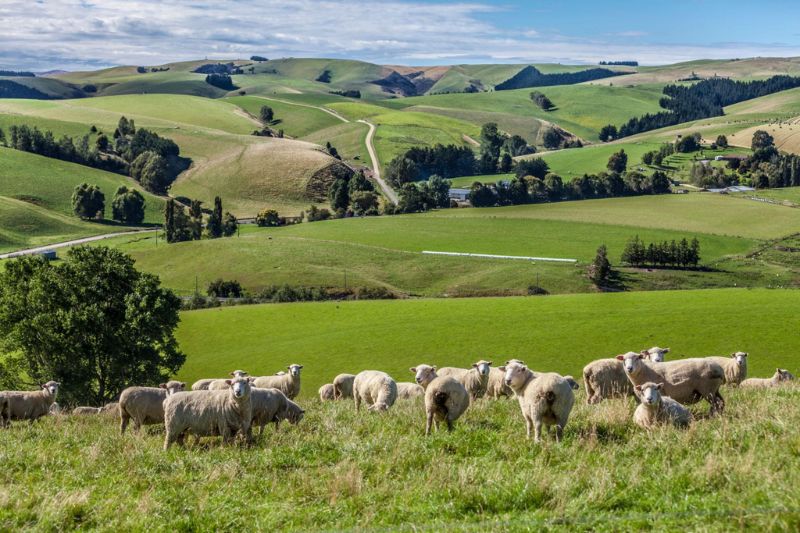
Among all the fibres used in luxury rug manufacturing, few have earned the reputation of New Zealand wool.
Its popularity is not driven by marketing.
It is driven by performance.
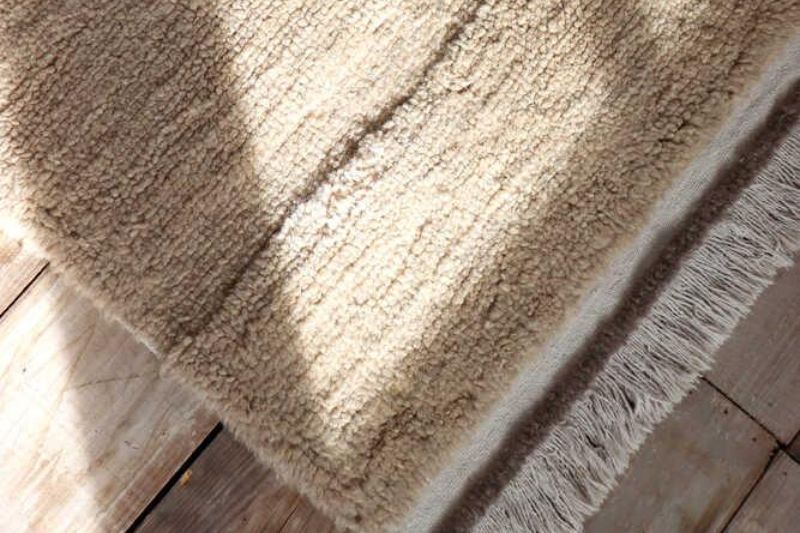
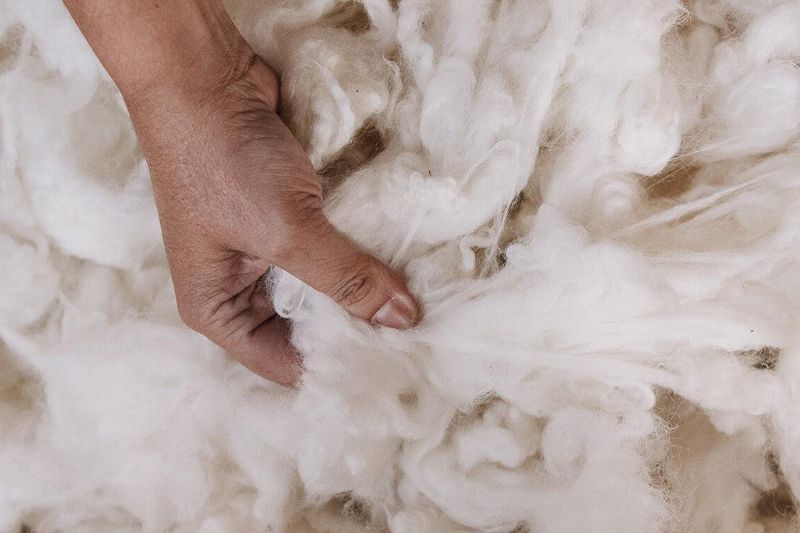
Every fibre possesses tiny natural crimps that allow it to recover from compression, giving wool exceptional resilience even within high-traffic environments. This elasticity helps rugs retain their appearance for many years while maintaining a soft, luxurious feel underfoot.
Beyond durability, wool offers a remarkable combination of qualities rarely found within a single material. It naturally regulates humidity by absorbing and releasing moisture without feeling damp. It provides thermal insulation during colder months while contributing to comfortable indoor temperatures throughout the year. It also absorbs sound, making it one of the most effective fibres for creating quieter, more comfortable interiors.
Perhaps most importantly, wool is a renewable resource. Each year sheep naturally produce a new fleece, allowing the material to regenerate without the extraction of finite resources. At the end of its long life, untreated wool can biodegrade naturally, returning valuable nutrients to the soil.
These characteristics explain why premium wool continues to be specified by leading architects, luxury hospitality brands, and interior designers around the world.
Its appeal lies not only in its beauty but in its remarkable ability to combine comfort, performance, and environmental responsibility within a single fibre.
For Rugs & Riches, wool remains the benchmark against which every other rug material is measured.
The Rise of Natural Fibres: Materials That Are Redefining Sustainable Luxury
For centuries, natural fibres have formed the foundation of textile craftsmanship. Long before sustainability became a global conversation, artisans worked with materials that were renewable, biodegradable, and deeply connected to the landscapes from which they originated. Wool was spun from seasonal fleece, cotton was harvested by hand, and plant fibres were woven into everyday objects designed to serve generations rather than seasons.
Ironically, as manufacturing became increasingly industrialised during the twentieth century, many of these materials were overshadowed by synthetic alternatives that promised lower costs and faster production. While these innovations made textiles more accessible, they also introduced new environmental challenges—from dependence on fossil fuels to the accumulation of non-biodegradable waste.
Today, the industry is witnessing a return to materials that have quietly stood the test of time. Architects, designers, and consumers are rediscovering the value of fibres that not only perform exceptionally but also reflect a more responsible relationship with nature.
This renewed appreciation is not driven by nostalgia. It is driven by performance. The finest natural fibres offer a combination of durability, comfort, breathability, and timeless beauty that many synthetic alternatives still struggle to replicate.
For luxury interiors, sustainability is no longer achieved by choosing the newest material. Often, it begins by rediscovering the oldest ones.
Hemp: The Fibre That Nature Perfected
Few fibres embody the principles of sustainable design as convincingly as hemp.
Long before it gained recognition within contemporary fashion and interiors, hemp was valued across civilizations for its remarkable strength and resilience. Ships relied on hemp ropes capable of enduring harsh maritime conditions, while woven hemp textiles became known for their exceptional longevity. Today, those same qualities are finding new relevance in luxury interiors.
From an environmental perspective, hemp is extraordinary. It grows rapidly without requiring intensive irrigation and naturally resists many pests, reducing the need for chemical pesticides. Its deep root systems help improve soil health, prevent erosion, and contribute to carbon sequestration throughout its growth cycle. Compared to many conventional crops, hemp produces a significantly higher yield using fewer natural resources, making it one of the most efficient renewable fibres available.
Yet sustainability alone does not explain hemp’s growing popularity among interior designers.
Its aesthetic qualities are equally compelling.
Unlike perfectly uniform industrial fibres, hemp possesses a subtle irregularity that gives textiles depth and authenticity. Its gently textured surface captures light differently from smooth synthetic materials, creating interiors that feel organic rather than manufactured. When blended with premium wool, hemp introduces structure while maintaining comfort, resulting in rugs that balance durability with understated elegance.
In boutique hotels, contemporary residences, and wellness-focused interiors, hemp has become a material that reflects a broader design philosophy—one that celebrates authenticity over perfection and longevity over excess
Organic Cotton: A Familiar Fibre with a New Purpose
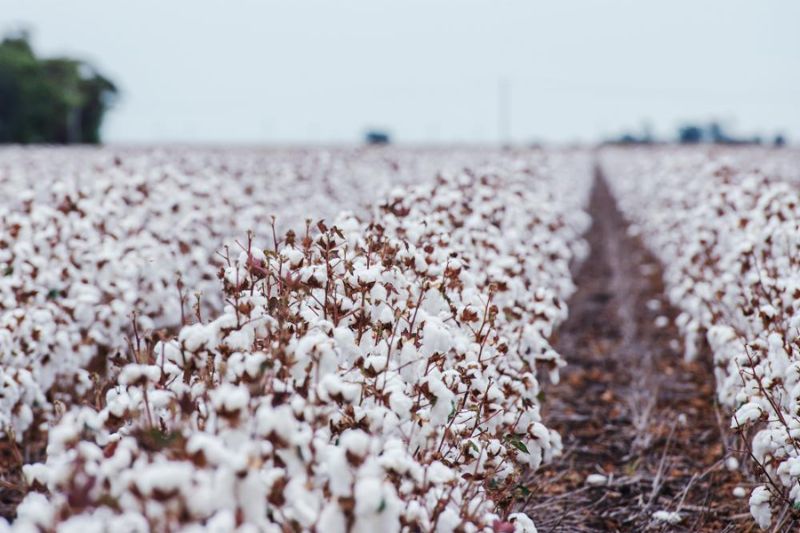
Cotton has been woven into the story of human civilisation for thousands of years. Its softness, versatility, and breathability have made it one of the world’s most widely used natural fibres. Yet conventional cotton cultivation has also become associated with intensive water consumption and heavy pesticide use, prompting designers and manufacturers to seek more responsible alternatives.
Organic cotton represents an important evolution rather than a replacement.
Cultivated without synthetic pesticides or genetically modified seeds, organic cotton encourages healthier soil ecosystems while reducing chemical runoff into surrounding environments. The emphasis shifts from maximising production to preserving the long-term health of agricultural landscapes.
Within handcrafted rugs, cotton often plays a quieter but equally important role.
Rather than dominating the visual character of a rug, it provides structural integrity through warp and weft constructions, contributes to lightweight flatweaves, and softens blended compositions. Its understated texture makes it particularly suited to minimalist interiors where subtle materiality takes precedence over decorative excess.
Organic cotton may not possess the resilience of premium wool in demanding hospitality environments, but within carefully considered residential settings it offers an elegant balance between comfort, simplicity, and environmental responsibility.
Its value lies not in attracting attention but in supporting timeless design with quiet confidence.
Jute: Celebrating Imperfection Through Nature
Some materials invite admiration because of their refinement.
Others do so because of their honesty.
Jute belongs firmly to the latter.
Often referred to as the “golden fibre” because of its warm natural colour, jute has become synonymous with relaxed, organic interiors that celebrate texture rather than ornamentation. Its appeal lies in its imperfections—the slight variations in tone, the tactile surface, and the unmistakable character that only natural fibres can provide.
Environmentally, jute is among the most sustainable fibres available. It grows quickly, requires minimal fertilisers, absorbs significant amounts of carbon dioxide during cultivation, and returns naturally to the soil at the end of its life cycle. These qualities make it particularly attractive for projects seeking environmentally conscious material palettes.
Designers often incorporate jute into spaces inspired by biophilic design, where natural materials help strengthen the connection between architecture and the surrounding landscape. Layered beneath contemporary furniture or combined with softer fibres such as wool, jute introduces an earthy quality that balances refined interiors with a sense of authenticity.
While its coarse texture may not suit every application, particularly where plush comfort is desired, jute excels in creating visual warmth and relaxed sophistication.
It reminds us that luxury need not always be polished.
Sometimes it is found in materials that remain beautifully true to their origins.
Bamboo Silk: Redefining Contemporary Luxury
Walk into many of today’s most celebrated luxury residences or boutique hotels, and one characteristic immediately captures your attention.
The floor seems to glow.
This quiet luminosity often comes from bamboo silk.
Although commonly referred to as “silk,” bamboo silk is distinct from traditional natural silk. It has become one of the defining materials of contemporary rug design because it offers a remarkable combination of softness, subtle sheen, and visual depth. When paired with wool, it creates a dynamic surface where matte and reflective fibres interact beautifully under changing light.
Throughout the day, this interaction transforms the appearance of a rug.
Morning sunlight highlights delicate carved details.
Afternoon light reveals tonal variations.
Evening lighting introduces a gentle shimmer that enhances the atmosphere without overwhelming the architecture.
For designers pursuing the philosophy of quiet luxury, bamboo silk has become an invaluable material. Rather than relying on bold patterns or vibrant colours, it allows the fibre itself to create visual richness through movement and reflection.
Its elegance lies in restraint.
The result is not a rug that demands attention, but one that continues to reward closer observation over time.
TENCEL™ Lyocell: Where Innovation Meets Responsibility
While many sustainable fibres have ancient origins, others represent the future of textile innovation.
Among the most promising is TENCEL™ Lyocell.
Produced from responsibly managed wood sources through a closed-loop manufacturing process, TENCEL™ has become one of the most environmentally progressive fibres available to the textile industry. During production, the solvents used to transform wood pulp into fibre are continuously recovered and reused, dramatically reducing waste compared to conventional regenerated cellulose fibres.
For interior designers, however, sustainability alone is not enough.
Performance remains essential.
TENCEL™ offers an exceptionally smooth surface with a soft, almost silk-like hand feel. It regulates moisture efficiently, contributes to comfortable indoor environments, and produces beautifully refined textures when blended with wool or other natural fibres.
Its subtle lustre makes it particularly suitable for contemporary interiors where understated sophistication is preferred over overt decoration.
More importantly, TENCEL™ represents something larger than a single material.
It demonstrates that innovation and environmental responsibility no longer need to exist separately.
The future of luxury design will increasingly depend on fibres capable of combining both.
Recycled PET: Giving Plastic a Second Life
For decades, plastic waste has been regarded as one of the defining environmental challenges of modern society.
Today, advances in textile technology are transforming part of that challenge into an opportunity.
Recycled PET fibres are produced by converting discarded plastic bottles into durable yarns suitable for rug construction. What was once considered waste becomes a material capable of serving luxury residential, commercial, and hospitality interiors for many years.
Early generations of recycled fibres often struggled to match the softness or appearance of premium natural materials. Contemporary manufacturing techniques have changed that perception considerably.
Today’s recycled PET yarns offer improved texture, impressive resilience, excellent colour retention, and exceptional resistance to moisture, making them particularly valuable in outdoor environments, coastal residences, and high-traffic hospitality projects.
Their success demonstrates an important principle.
Sustainability is not always about choosing natural materials.
Sometimes it is about giving existing materials a meaningful second life.
When thoughtfully specified, recycled fibres contribute to a more circular approach to design—one that recognises waste as a resource rather than an inevitable consequence of consumption.
Choosing Materials with Intention
Perhaps the most important lesson sustainable design has taught us is that there is no universally perfect fibre.
Every project presents different demands.
A tranquil private residence requires different qualities than a luxury resort.
A wellness retreat calls for different textures than a contemporary corporate headquarters.
The role of the designer is not to identify the single “best” material but to understand which material best supports the experience a space is intended to create.
That philosophy lies at the heart of bespoke design.
At Rugs & Riches, material selection is never approached as a catalogue decision. It begins with understanding the architecture, the lifestyle of the client, the performance requirements of the space, and the emotional atmosphere the project seeks to achieve.
Only then does the conversation turn to fibres.
Because choosing the right material is not simply about sustainability.
It is about designing with intention.
Craftsmanship: The Missing Pillar of Sustainability
When conversations around sustainability take place, they often focus on raw materials, carbon footprints, or recycled content. These are undoubtedly important, but they represent only one part of a much larger story.
A truly sustainable rug is not defined solely by the fibre it contains. It is defined by how that fibre is transformed into an object that people value enough to keep for decades.
Craftsmanship is what gives a rug its longevity.
The finest materials in the world can only fulfil their potential when paired with skilled hands that understand tension, proportion, finishing, and construction. A poorly made rug—regardless of how sustainable its fibres may be—will inevitably wear prematurely, requiring replacement long before its materials have reached the end of their natural life.
This is where handmade craftsmanship becomes one of sustainability’s greatest allies.
Every hand-knotted knot, every hand-tufted loop, every carefully carved detail contributes to the structural integrity of the rug. The density of the pile, the precision of the weaving, and the quality of the finishing all influence how gracefully a rug matures over time.
Unlike products designed for rapid consumption, handcrafted rugs are created with longevity in mind. They are made to withstand changing interiors, evolving lifestyles, and the passage of decades. Small signs of wear become part of their character rather than reasons for replacement.
In many ways, sustainability is less about creating products that never age and more about creating products that age beautifully.
The Beauty of Repair Over Replacement
Modern consumer culture has normalised replacement.
Furniture is replaced when fashions change.
Lighting is updated with every renovation.
Decorative accessories follow seasonal trends.
Yet some of the world’s most valuable objects—from antique furniture to historic architecture—owe their significance not to perfection but to preservation.
Luxury rugs belong to this tradition.
Unlike many manufactured floor coverings that are discarded once damaged, a handcrafted rug can often be professionally restored. Loose edges can be reinforced, worn areas repaired, and fibres revitalised through specialist cleaning and conservation.
This ability to repair rather than replace fundamentally changes the environmental impact of a rug.
It extends the life of the product.
It preserves craftsmanship.
It reduces waste.
Most importantly, it allows a rug to become part of a family’s story rather than a temporary purchase.
Across Europe and the Middle East, heirloom rugs continue to be passed from one generation to the next—not because they remain untouched by time, but because their value deepens with it.
True luxury is rarely disposable.
It becomes more meaningful as it ages.
Responsible Manufacturing: Sustainability Beyond the Fibre
Choosing a sustainable fibre is only the beginning of the journey.
How that fibre is processed is equally important.
Traditional rug production involves numerous stages—spinning, dyeing, weaving, washing, carving, and finishing. Each stage presents opportunities to reduce environmental impact through more thoughtful manufacturing practices.
Across the luxury textile industry, manufacturers are increasingly investing in processes that minimise water consumption, improve energy efficiency, and reduce chemical usage without compromising craftsmanship.
Low-impact dyeing techniques are becoming more widely adopted, helping to reduce water pollution while producing rich, lasting colour. Many premium manufacturers are also transitioning towards AZO-free dyes, which eliminate certain harmful compounds commonly associated with conventional dyeing methods.
Responsible production extends beyond environmental considerations. It also encompasses the wellbeing of the people whose expertise brings each rug to life.
Fair working conditions, artisan development, and long-term investment in traditional craftsmanship are essential components of sustainable manufacturing. Supporting skilled weaving communities not only preserves centuries-old techniques but also strengthens local economies and encourages younger generations to continue these remarkable craft traditions.
Sustainability, therefore, is not simply about protecting natural resources.
It is equally about protecting human knowledge.
Understanding Sustainability Certifications
As sustainability becomes increasingly important within the design industry, certifications have emerged as valuable tools for verifying responsible practices. While no single certification tells the entire story, they provide architects, designers, and buyers with greater confidence when evaluating materials and manufacturing processes.
One of the most widely recognised is GoodWeave®, which promotes ethical production by working to eliminate child labour while improving working conditions within the rug industry. For many international designers, the GoodWeave label represents a commitment to social responsibility alongside exceptional craftsmanship.
OEKO-TEX® Standard 100 focuses on product safety by testing textiles for harmful substances. Rugs carrying this certification offer additional reassurance that the finished product contributes to healthier indoor environments.
For projects prioritising organic materials, the Global Organic Textile Standard (GOTS) establishes criteria for organic fibre content as well as responsible processing throughout the production chain.
Meanwhile, the Responsible Wool Standard (RWS) recognises farms that meet high standards of animal welfare, land management, and traceability, ensuring that wool is sourced with respect for both the environment and the animals from which it is obtained.
These certifications should never replace thoughtful design decisions, but they do provide valuable transparency within an increasingly complex global supply chain.
Ultimately, sustainability is strengthened when manufacturers are willing to demonstrate—not simply declare—their commitment to responsible practices.
Designing for the Circular Economy
The future of sustainable interiors extends beyond manufacturing.
It considers what happens long after a product has entered a home.
This is the foundation of the circular economy—a design philosophy that encourages products to remain in use for as long as possible through repair, restoration, reuse, and responsible recycling.
Handcrafted rugs naturally lend themselves to this approach.
Unlike many mass-produced floor coverings, they can often be restored multiple times throughout their lifetime. Their fibres retain value, their craftsmanship remains relevant, and their designs frequently outlive changing interior trends.
Many antique rugs continue to be admired centuries after they were first woven.
They remind us that truly sustainable design is not created by making more products.
It is created by making better ones.
As the industry embraces circular thinking, luxury rugs are uniquely positioned to demonstrate how craftsmanship, durability, and timeless aesthetics can work together to reduce waste while enriching interiors for generations.
The Rugs & Riches Perspective
At Rugs & Riches, sustainability is not treated as a separate collection or a marketing statement. It is a design philosophy that informs every stage of our creative process.
When we begin a bespoke project, our first conversation is rarely about colours or patterns.
Instead, we ask broader questions.
How will the space be used?
How much natural light does it receive?
Who will experience it every day?
What atmosphere should it create?
How long should it remain relevant?
These questions guide every decision that follows—from selecting responsibly sourced fibres and construction techniques to refining textures, finishes, and proportions that will continue to feel timeless years from now.
Our approach combines traditional craftsmanship with contemporary material innovation, recognising that sustainability is achieved not through compromise but through thoughtful design.
We believe that every rug should contribute positively to the spaces it inhabits—not only through beauty, but through durability, authenticity, and meaningful craftsmanship.
Because a rug designed to last for generations is one that respects both the people who create it and the environments in which it lives.
Looking Ahead: The Future of Sustainable Luxury
The conversation around sustainability is no longer about choosing between beauty and responsibility.
The future of luxury lies in bringing the two together.
As designers continue to seek materials that combine exceptional performance with environmental integrity, fibre innovation will undoubtedly play an increasingly important role. Yet innovation alone will never define luxury.
The most enduring interiors have always shared certain qualities.
They are built with intention.
They celebrate craftsmanship.
They value materials that improve with age.
They favour permanence over novelty.
Luxury is becoming quieter.
More thoughtful.
More personal.
The homes, hotels, and commercial spaces shaping tomorrow’s design landscape will not necessarily contain more objects—they will contain better ones.
For rugs, that journey begins with a single decision.
The fibre.
It determines how a rug feels beneath your feet, how gracefully it ages, how responsibly it is made, and how long it continues to enrich the spaces around it.
At Rugs & Riches, we see sustainability not as the future of luxury, but as its natural evolution.
Because the finest rugs are never designed for a season.
They are created for a lifetime.
Frequently Asked Questions
What are the most sustainable fibres used in luxury rugs?
Natural fibres such as New Zealand wool, hemp, organic cotton, and jute are among the most sustainable choices due to their renewability, durability, and biodegradability. Innovative materials such as TENCEL™ Lyocell and recycled PET also offer environmentally responsible alternatives for specific applications.
Why is wool considered one of the best materials for luxury rugs?
Premium wool combines exceptional durability, natural resilience, thermal insulation, moisture regulation, and acoustic performance while remaining renewable and biodegradable. These qualities make it one of the most versatile fibres for both residential and hospitality interiors.
Can recycled fibres be used in luxury rugs?
Yes. Modern recycled PET fibres provide impressive durability, colour retention, and moisture resistance, making them ideal for outdoor areas, hospitality environments, and high-traffic commercial spaces.
What sustainability certifications should designers look for when specifying rugs?
Certifications such as GoodWeave®, OEKO-TEX® Standard 100, the Global Organic Textile Standard (GOTS), and the Responsible Wool Standard (RWS) help verify responsible sourcing, ethical production, product safety, and environmental stewardship.
Why is durability an important part of sustainability?
A rug that remains beautiful and functional for decades reduces the need for replacement, lowering overall consumption of raw materials, manufacturing resources, packaging, transportation, and waste. Longevity is one of the most significant contributors to sustainable design.
How does Rugs & Riches approach sustainable rug design?
Rugs & Riches begins every project by understanding the needs of the space before selecting fibres, construction techniques, and finishes. By combining responsibly sourced materials with handcrafted craftsmanship and bespoke design, every rug is created to deliver lasting beauty, exceptional performance, and enduring value.