
European Rug Trends 2027: Sustainable Luxury and Timeless Design Shaping Modern Interiors
Europe has long influenced the global design industry through its appreciation for craftsmanship, material innovation, and timeless aesthetics. From Scandinavian apartments and Parisian residences to boutique hotels in Italy and contemporary homes across Germany and the Netherlands, European interiors continue to evolve with a clear emphasis on quality over excess.
In 2027, this philosophy is becoming even more refined.
Designers are moving away from trend-driven decoration and investing in interiors that feel authentic, functional, and built to last. Every material is selected with intention, balancing visual appeal with environmental responsibility and everyday comfort.
Rugs have become an important part of this design approach.
Rather than serving as decorative accents, they help define spaces, introduce warmth, improve acoustics, and add layers of texture that complement clean architectural forms. A thoughtfully crafted rug now contributes as much to the atmosphere of a room as its furniture, lighting, or finishes.
As sustainability, craftsmanship, and longevity continue to shape design decisions, these are the rug trends defining European interiors in 2027
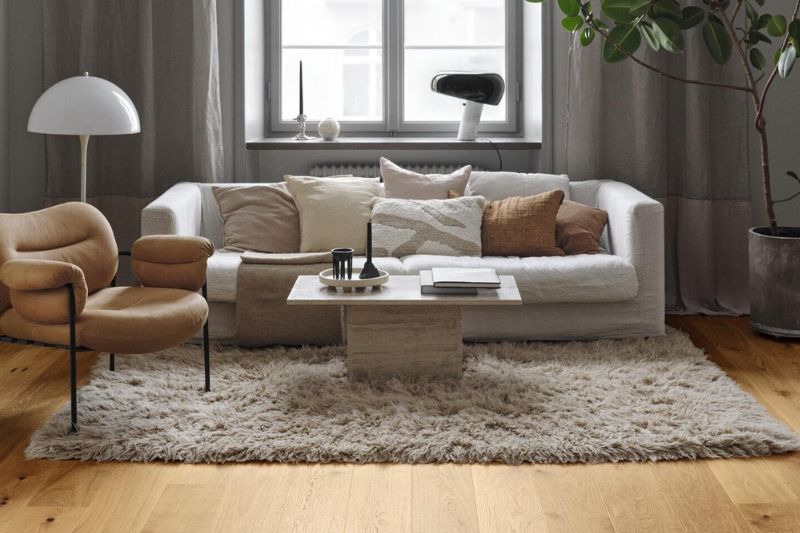
1. Quiet Luxury Continues to Influence Interior Design
Across Europe, luxury is becoming less about visual statement and more about thoughtful restraint.
Instead of bold colours, oversized patterns, or decorative excess, designers are creating interiors that feel calm, balanced, and effortlessly sophisticated.
Rugs play an important role in achieving this atmosphere.
Soft textures, natural fibres, subtle tonal variations, and refined craftsmanship create spaces that feel luxurious without appearing extravagant.
This understated approach allows furniture, architecture, and natural light to work together while the rug quietly anchors the room.
2. Sustainability Is No Longer Optional
Environmental responsibility has become one of the strongest influences on European interior design.
Clients are asking more questions about where materials come from, how products are manufactured, and how long they are expected to last.
Instead of replacing furnishings every few years, homeowners and designers are investing in pieces that can remain relevant for decades.
As a result, demand continues to grow for rugs made from responsibly sourced materials such as:
- New Zealand Wool
- Organic Cotton
- Bamboo Silk
- TENCEL™
- Recycled fibres
- Natural latex backing
Buyers increasingly appreciate transparency throughout the manufacturing process, making craftsmanship and ethical production just as valuable as aesthetics.
3. Texture Is Becoming the Hero
European interiors have always embraced simplicity, but simplicity no longer means flat surfaces.
Texture is now one of the most important design tools.
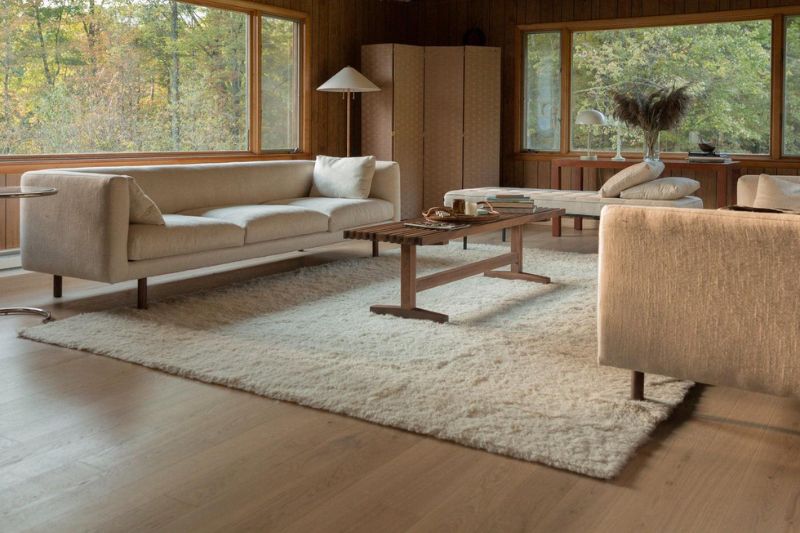
Designers are selecting rugs with layered pile heights, carved detailing, boucle-inspired constructions, and hand-finished surfaces that introduce depth without overwhelming minimalist interiors.
Popular surface treatments include:
- High-low pile
- Loop and cut construction
- Hand carving
- Hand shearing
- Ribbed textures
- Mixed fibre compositions
These subtle details create visual richness while maintaining a calm and timeless appearance.
4. Organic Shapes Continue to Grow
Soft forms are replacing rigid geometry throughout European interiors.
Curved furniture, rounded architecture, sculptural lighting, and fluid floor plans have influenced rug design as well.
Instead of traditional rectangles, designers are embracing:
- Organic silhouettes
- Pebble-inspired forms
- Rounded corners
- Free-flowing outlines
- Asymmetrical compositions
These shapes introduce movement while softening contemporary spaces dominated by clean architectural lines.
5. Earth-Inspired Colour Palettes Are Dominating
European colour trends continue to move closer to nature.
Warm neutrals are replacing stark contrasts, creating interiors that feel relaxed and timeless.
Popular rug colours for 2027 include:
- Warm Ivory
- Stone
- Linen
- Mushroom
- Oat
- Clay
- Moss Green
- Sage
- Sand
- Soft Charcoal
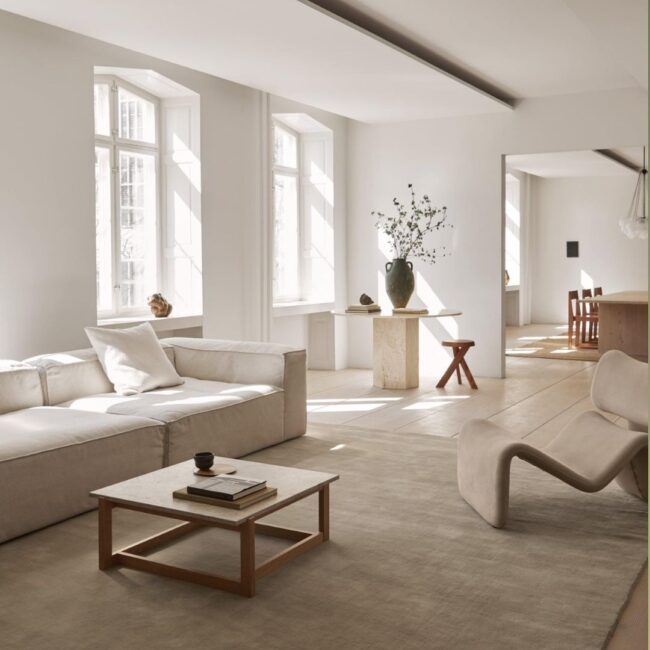
These palettes pair beautifully with oak flooring, lime plaster walls, natural stone, and brushed metal finishes commonly found in contemporary European homes.
Rather than demanding attention, these colours create harmony throughout the space.
6. Handmade Craftsmanship Is Being Rediscovered
As mass production becomes increasingly accessible, handcrafted products are becoming even more desirable.
European buyers appreciate the individuality found in handmade rugs.
Subtle variations in texture, weaving, and finishing give every piece its own character.
This growing appreciation for craftsmanship reflects a broader movement toward products that celebrate skilled artisans instead of automated production.
For designers, authenticity has become one of the strongest indicators of luxury.
7. Boutique Hospitality Is Setting New Standards
Some of Europe’s most influential design ideas originate within boutique hotels.
These spaces combine residential comfort with premium finishes, creating interiors that feel welcoming rather than formal.
Many homeowners are now adopting the same design principles.
Hotel-inspired rugs typically feature:
- Soft neutral colours
- Natural fibres
- Minimal patterns
- Rich textures
- Durable construction
- Custom sizing
The result is a balance between elegance, comfort, and practicality.
8. Vintage Influence Meets Contemporary Design
Rather than recreating historical styles, designers are blending traditional craftsmanship with modern aesthetics.
Subtle distressed finishes, faded tonal patterns, and handcrafted textures reference heritage without feeling nostalgic.
This balance between old and new allows rugs to complement both historic architecture and contemporary interiors.
It is a design direction that values longevity over short-lived trends.
9. Flexible Living Requires Flexible Design
European homes continue to evolve as people work, relax, and entertain within the same spaces.
Open-plan layouts require rugs that define different functional areas while maintaining visual continuity.
Large area rugs, layered compositions, and custom sizing help create comfortable living environments without introducing unnecessary partitions.
The rug becomes an architectural tool rather than simply a decorative object.
Market Snapshot: Europe 2027
Category | Forecast |
Design Style | Quiet Luxury |
Colour Palette | Linen, Stone, Moss, Mushroom, Sand |
Materials | Wool, Organic Cotton, Bamboo Silk, TENCEL™ |
Texture | High-Low, Hand Carved, Bouclé |
Preferred Shapes | Organic & Rounded |
Major Buyers | Residential, Boutique Hotels, Architects |
Design Direction | Sustainable, Minimal, Handcrafted |
Designer's Perspective
The most successful European interiors rarely rely on a single statement piece.
Instead, they create atmosphere through carefully layered materials, subtle textures, and thoughtful craftsmanship.
A well-designed rug contributes to this balance by connecting furniture, improving comfort, and introducing warmth without overpowering the architecture.
Designers increasingly specify rugs during the early stages of a project, allowing colour, texture, and proportion to evolve alongside flooring, lighting, and furniture.
This integrated approach results in interiors that feel cohesive, timeless, and effortlessly elegant.
Looking Ahead
European interiors in 2027 reflect a growing appreciation for authenticity, sustainability, and enduring design.
Rather than following seasonal trends, designers are creating spaces that remain relevant for years through quality materials, handcrafted finishes, and timeless aesthetics.
Rugs are central to this philosophy. They provide warmth, comfort, and character while supporting a more thoughtful approach to interior design.
At Rugs & Riches, we partner with architects, interior designers, retailers, and hospitality brands to create handcrafted rugs that combine traditional craftsmanship with contemporary design. Every collection is developed with careful attention to material, texture, sustainability, and the unique requirements of each project.
Frequently Asked Questions
What rug styles are trending in Europe for 2027?
Minimalist rugs with textured surfaces, organic shapes, and handcrafted finishes are expected to define European interiors in 2027.
Which materials are most popular for European rugs?
New Zealand wool, organic cotton, bamboo silk, TENCEL™, and responsibly sourced natural fibres continue to lead the market.
Why is sustainability important in European interior design?
European buyers increasingly prioritise products that are responsibly manufactured, durable, and made from environmentally conscious materials.
Are neutral colours replacing bold designs?
Yes. Designers are choosing layered neutral palettes and natural textures to create interiors that feel calm, timeless, and adaptable.
Why are handmade rugs becoming more valuable?
Handcrafted rugs offer individuality, exceptional craftsmanship, and lasting quality. They align with Europe’s growing appreciation for authentic, long-lasting design over mass-produced furnishings.