
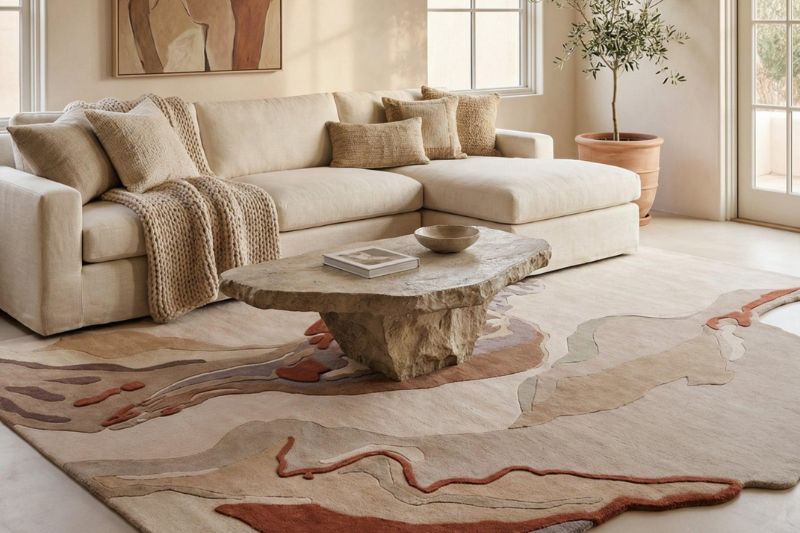
USA Rug Trends 2027: Organic Modern, Statement Textures & Sustainable Luxury
Interior design in the United States has always embraced change. Every few years, a new movement reshapes how homes are planned, furnished, and experienced. By 2027, that evolution is less about following trends and more about creating spaces that feel personal, comfortable, and connected to everyday living.
American homeowners are investing in interiors that balance beauty with practicality. Open floor plans continue to dominate, but they are becoming softer, warmer, and more layered. Instead of filling spaces with decorative objects, designers are choosing fewer, higher-quality pieces that add texture, character, and lasting value.
Rugs are playing a bigger role in this transformation.
No longer viewed as a finishing touch, rugs are becoming one of the first design decisions in a project. They help define spaces, introduce warmth, absorb sound, and establish the overall mood of a room. Whether in a New York loft, a California residence, a Texas ranch-style home, or a boutique hotel in Nashville, rugs are shaping the way people experience interior spaces.
Here are the trends expected to define rug design across the United States in 2027
1. Organic Modern Continues to Dominate
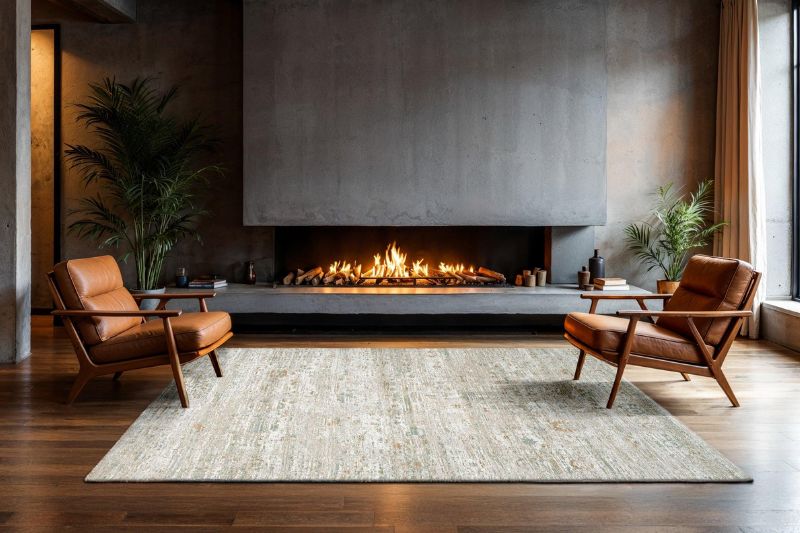
Organic Modern has become one of the most influential interior styles in America, and its popularity shows no signs of slowing down.
The style blends clean contemporary architecture with natural materials, creating homes that feel elegant without being overly formal.
Rugs are central to this aesthetic.
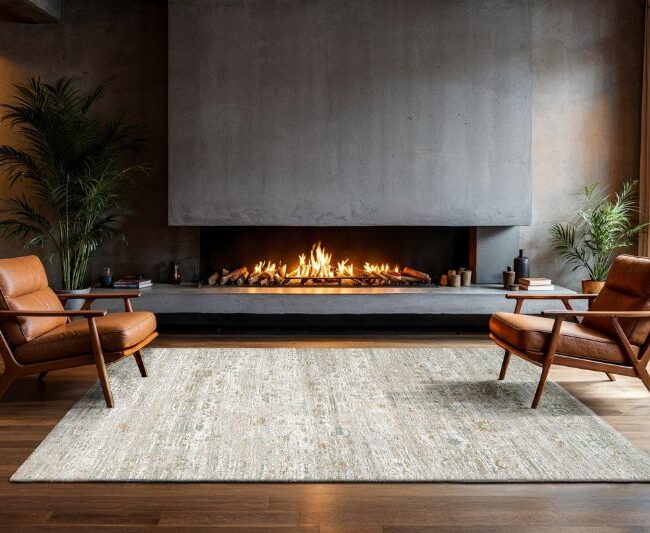
Designers are choosing understated pieces made from wool, cotton, bamboo silk, and textured natural fibres that complement wood flooring, stone surfaces, and soft neutral furniture.
Instead of competing for attention, these rugs bring warmth and balance to open living spaces.
2. Rugs Are Becoming Statement Pieces
Minimal furniture has shifted more visual attention to the floor.
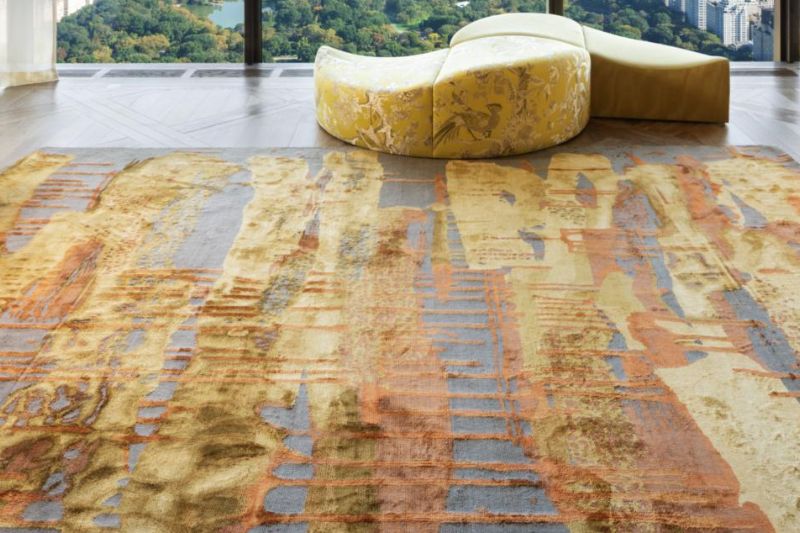
Rather than hiding beneath coffee tables, rugs are becoming focal points that introduce personality into a room.
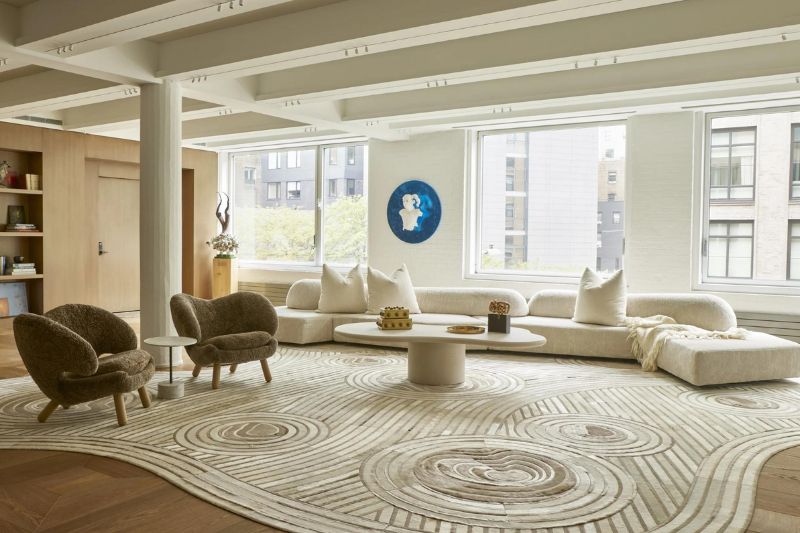
Large-scale abstract artwork, sculptural textures, hand carving, and oversized organic patterns are replacing repetitive traditional motifs.
Many homeowners are treating rugs as functional works of art.
This approach works particularly well in open-plan homes where a single rug can anchor an entire living area.
3. Layered Texture Creates Comfortable Interiors
Texture is replacing excessive decoration.
American designers are combining multiple tactile materials to create interiors that feel inviting and relaxed.
Popular rug finishes include:
- High-low pile
- Hand carving
- Loop and cut construction
- Bouclé-inspired textures
- Mixed wool compositions
- Soft matte finishes
These details create visual depth without relying on bold colours or busy patterns.
The result is an interior that feels refined while remaining comfortable enough for everyday living.
4. Performance Meets Luxury
Durability has become just as important as appearance.
Families, pet owners, and hospitality projects are looking for rugs that combine premium aesthetics with practical performance.
Designers are specifying materials that offer:
- Easy maintenance
- High durability
- Colour stability
- Soft texture
- Long-term resilience
Luxury no longer means sacrificing functionality.
The most successful rugs are those that continue to look beautiful even after years of everyday use.
5. Earthy Colours Continue to Lead
Bright colour palettes are giving way to softer, nature-inspired tones.
Designers are choosing colours that complement natural materials and changing daylight throughout the day.
Popular shades for 2027 include:
- Warm Beige
- Sand
- Taupe
- Sage Green
- Clay
- Walnut Brown
- Soft Charcoal
- Cream
- Oat
- Stone Grey
These colours provide flexibility, allowing homeowners to refresh furniture and accessories without replacing the rug.
6. Sustainability Is Influencing Buying Decisions
American consumers are becoming increasingly aware of how products are made.
Many homeowners and commercial buyers now prioritise responsibly sourced materials and products designed to last.
Preferred materials include:
- New Zealand Wool
- Organic Cotton
- Bamboo Silk
- TENCEL™
- Recycled fibres
Buyers also appreciate handcrafted production methods that support skilled artisans while reducing waste associated with mass manufacturing.
Sustainability is becoming part of good design rather than a separate feature.
7. Custom Rugs Are Growing Beyond Luxury Homes
Customisation is no longer limited to ultra-premium residences.
Architects, interior designers, and hospitality brands are increasingly commissioning rugs that fit the exact proportions of a project.
Custom rugs allow complete flexibility in:
- Size
- Shape
- Material
- Colour
- Texture
- Pattern
- Border detailing
This approach ensures every rug feels integrated with the architecture instead of simply occupying floor space.
8. Hospitality Design Is Inspiring Residential Interiors
Hotels continue to influence the way Americans design their homes.
Luxury hospitality spaces have demonstrated how thoughtful materials, layered lighting, and premium textures create memorable experiences.
Homeowners are now applying those same principles.
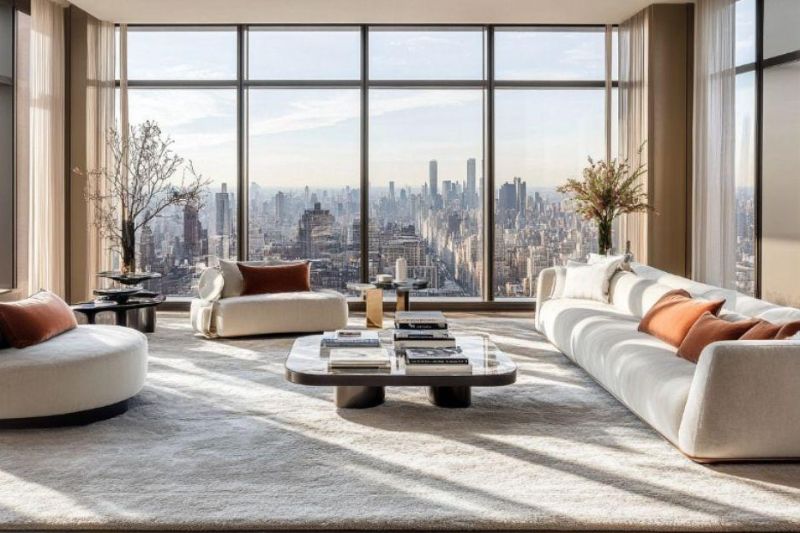
Large rugs define conversation areas, soften expansive flooring, and make living spaces feel more welcoming.
Comfort has become one of the strongest indicators of luxury.
9. Handmade Craftsmanship Stands Out
Mass-produced products remain widely available, but handcrafted pieces continue to command greater appreciation.
Hand-tufted and hand-knotted rugs offer unique textures and subtle variations that cannot be replicated by machines.
These characteristics give every rug its own identity.
Designers increasingly value craftsmanship because it adds authenticity to contemporary interiors while supporting long-term durability.
Market Snapshot: USA 2027
Category | Forecast |
Design Style | Organic Modern |
Colour Palette | Sand, Sage, Taupe, Walnut, Cream |
Materials | Wool, Bamboo Silk, Organic Cotton, TENCEL™ |
Texture | High-Low, Hand Carved, Loop & Cut |
Preferred Shapes | Large Area Rugs & Organic Forms |
Major Buyers | Residential, Hospitality, Commercial Projects |
Design Direction | Comfortable, Sustainable, Functional |
Designer's Perspective
American homes are becoming more adaptable than ever.
Living rooms function as workspaces, entertainment zones, and gathering areas throughout the day. Rugs help organise these spaces without requiring walls or permanent partitions.
Instead of selecting a rug after furniture has been installed, many designers begin with the rug itself. Colour, texture, and proportion establish the foundation for the rest of the interior, allowing every element to work together naturally.
A thoughtfully designed rug adds comfort, improves acoustics, and creates a stronger connection between architecture and daily living.
Looking Ahead
The future of American interiors is centred on comfort, craftsmanship, and versatility.
Rather than following fast-moving trends, homeowners are investing in pieces that remain beautiful and functional for years. Rugs have become an essential part of this shift, offering warmth, texture, and personality while supporting more thoughtful interior design.
At Rugs & Riches, we collaborate with architects, interior designers, retailers, and hospitality brands to create handcrafted rugs tailored to modern American interiors. Every rug is developed with careful attention to materials, texture, durability, and design, helping transform everyday spaces into environments that feel both timeless and contemporary.
Frequently Asked Questions
What rug styles are trending in the USA for 2027?
Organic Modern rugs featuring textured surfaces, abstract designs, sculptural detailing, and warm neutral colours are expected to lead interior design trends across the United States.
Which rug materials are most popular?
New Zealand wool, bamboo silk, organic cotton, TENCEL™, and premium wool blends continue to be preferred for their comfort, durability, and natural appearance.
Why are statement rugs becoming popular?
As furniture becomes simpler and interiors embrace minimalism, rugs are increasingly used to introduce texture, personality, and visual interest without overcrowding a space.
Are sustainable rugs in demand?
Yes. Many homeowners, designers, and commercial buyers now prioritise responsibly sourced materials and handcrafted production methods that support long-lasting quality.
Why are custom rugs becoming more common?
Custom rugs allow architects and interior designers to tailor dimensions, materials, colours, and textures to each project, creating interiors that feel cohesive and uniquely designed.