
Tufted Rugs Wholesale: How toFind the Right Indian Manufacturer
Why India Remains the World's Leading Source for Hand-Tufted Rugs
India accounts for over 90% of the world’s hand-tufted rug exports, and for good reason. Decades of accumulated craft knowledge, a robust wool and yarn supply chain, and a deep pool of skilled artisans make the country — and in particular the Panipat and Delhi corridor — the natural sourcing destination for retailers, interior designers and importators worldwide. But not all manufacturers are equal. Behind the volume lies a wide spectrum of
quality, reliability and creative capability. Knowing what to look for before you commit to a supplier can save months of back-and-forth and protect your brand’s reputation downstream
What "Hand-Tufted" Actually Means — and Why It Matters for Wholesale Buyers
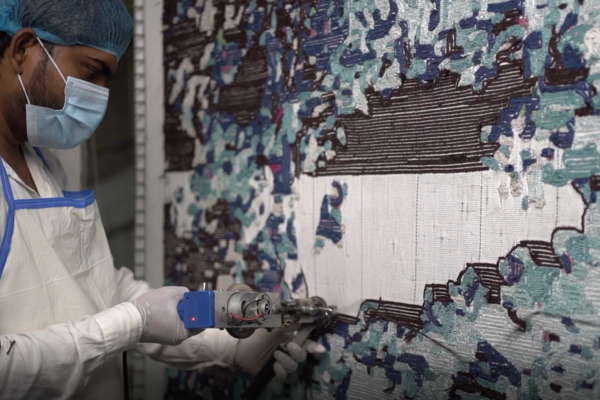
Hand-tufted rugs are made using a handheld tufting gun that punches yarn into a stretched canvas, following a pre-drawn design. Unlike hand-knotted rugs, which are woven knot by knot over months, hand-tufted pieces offer a faster production cycle while maintaining a high level of design complexity and texture. For wholesale buyers, this translates into a practical advantage: shorter lead times, greater flexibility on custom designs, and a more accessible price point — without sacrificing the artisan quality that end consumers and contract specifiers expect.
Key characteristics to understand before sourcing:
Pile material — Wool remains the premium standard for hand-tufted rugs, offering natural resilience, colour depth and longevity. Some manufacturers blend wool with viscose or cotton for specific aesthetic effects. Always clarify the yarn composition upfront.
Pile height and density — These two variables directly affect the feel, durability and price of the finished rug. A reputable manufacturer should be able to advise on the right specifications for your end use — residential versus contract, for instance.
Backing and finishing — A quality hand-tufted rug requires a double backing (typically latex and canvas or felt) to secure the tufts and ensure the rug lies flat over time. This is an area where lower-end production often cuts corners.
5 Things to Evaluate When Choosing a Wholesale Rug Manufacturer in India
1. Production Transparency
A serious manufacturer will welcome a factory visit or, at minimum, provide documented evidence of their production process — from raw yarn to finished piece. Look for suppliers who can show you each stage: yarn sourcing, dyeing, tufting, carving, washing and finishing. Transparency at this level is also a strong indicator of ethical production practices — increasingly a non-negotiable for European and US retailers sourcing internationally.
2. Custom Design Capability
Wholesale sourcing is rarely about off-the-shelf products. The ability to translate your design brief — or a client’s artistic vision — into a finished rug is what separates a true manufacturing partner from a catalogue supplier. Ask about their in-house design team, their experience working from mood boards or
vector files, and whether they have a portfolio of custom collaborative work to share.
3. Minimum Order Quantities (MOQ)
MOQs vary significantly across manufacturers and are often negotiable, particularly for established relationships. As a general benchmark, most quality Indian manufacturers work with MOQs starting from 50 to 200 square metres per colourway, though some specialise in smaller runs for the high-end contract or designer market. Be clear about your volume needs from the first conversation — it will quickly determine whether a supplier is the right fit.
4. Lead Times and Sample Process
Standard production lead times for hand-tufted rugs range from 8 to 14 weeks after sample approval, depending on complexity and order volume. The sample phase — typically 3 to 6 weeks — is where you assess quality, colour accuracy and construction before committing. A reliable manufacturer will be precise about timelines and proactive in communicating any delays. Vague answers on lead times are a red flag.
5. Certifications and Sustainability Standards
European and US buyers are under increasing pressure to demonstrate responsible sourcing. Ask your potential supplier about certifications such as OEKO-TEX, GoodWeave, or ISO standards for their dyeing processes. Manufacturers using lowimpact or AZO-free dyes, and those with documented fair labour practices, will give you a stronger story to tell your own clients.
Working with a Manufacturer vs. a Trading Agent
Many wholesale buyers source Indian rugs through trading agents rather than directly from manufacturers. Agents can simplify the logistics and language barrier — but they also add a margin and can limit your visibility into the actual production conditions.If volume and long-term partnership are your goals, working directly with a manufacturer gives you better pricing, greater customisation flexibility and a cleaner supply chain to communicate to your end market.
What to Ask on a First Call with a Potential Supplier
Before you request samples or discuss pricing, a structured first conversation will
save significant time. Consider asking:
● How long have you been manufacturing hand-tufted rugs, and who are some
of your current clients?
● What materials do you work with, and where do you source your yarn?
● Can you work from our designs, or do you offer a design service?
● What are your standard MOQs and lead times?
● What certifications do you hold for your materials and dyeing processes?
● Do you have references from European or US buyers?
The answers will quickly reveal whether a manufacturer has the experience,
infrastructure and communication standards your business requires.
Rugs & Riches: A Manufacturing Partner Built on 35 Years of Craft
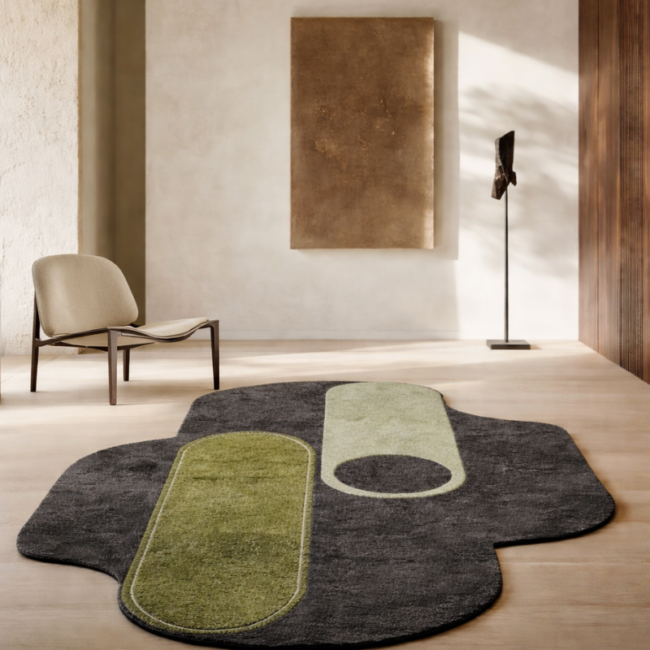
Based in Panipat, India, Rugs & Riches has spent over three decades developing one of the most refined hand-tufted rug manufacturing operations in the country. Working with a select portfolio of European and US clients — from furniture brands to independent designers — the company combines traditional artisan craft with a rigorous approach to quality, customisation and sustainable production. Every rug begins with a conversation about design intent, and ends with a finished piece that reflects it. If you’re looking for a manufacturing partner who can grow with your brand, we’d welcome the introduction.
Perfect mirror for you