
The Enduring Value of Handmade Rugs: Why Craftsmanship Remains the Ultimate Luxury
Walk through the corridors of a centuries-old palace in Rajasthan, a restored riad in Marrakech, a heritage townhouse in London, or a boutique hotel in Kyoto, and you will notice something remarkable.
The furniture may have changed.
Walls may have been restored.
Lighting has evolved with technology.
Art collections have grown and shifted over time.
Yet beneath it all, one element often remains.
It has witnessed generations of conversations, celebrations, quiet mornings, and changing lives. Its colours have mellowed under decades of sunlight, its fibres have softened beneath countless footsteps, and its imperfections have become part of its identity. Unlike many objects within an interior, a handcrafted rug rarely reaches the end of its story after a decade. Instead, it becomes richer with every passing year.
This enduring quality is precisely why handmade rugs have occupied such a unique position in the world of design for centuries. They are not simply furnishings, nor are they decorative accessories chosen to complement a sofa or a colour palette. At their finest, handmade rugs become part of the architecture itself—anchoring spaces, preserving craftsmanship, and carrying stories that outlive trends.
Today, however, the conversation surrounding handmade rugs has taken on new significance.
As interiors become increasingly influenced by fast-moving trends, mass production, and digital convenience, designers and homeowners alike are rediscovering the extraordinary value of objects created slowly, thoughtfully, and by human hands.
Luxury is changing.
For much of the last century, luxury was often associated with rarity, ornamentation, and exclusivity. Today, those qualities still matter, but they are no longer enough. The most respected interior designers now define luxury through authenticity, craftsmanship, material integrity, and longevity. Rather than filling spaces with more objects, they seek fewer pieces of greater meaning—pieces that age gracefully, develop character, and remain relevant long after trends have disappeared.
Few furnishings embody this philosophy as naturally as a handmade rug.
At Rugs & Riches, we see handcrafted rugs not simply as products, but as lasting investments in architecture, craftsmanship, and everyday living. Every bespoke rug we create begins with the belief that exceptional design should never be disposable. It should accompany the spaces it inhabits for decades, growing more personal and more valuable with time.
So, what is it that gives a handmade rug this enduring value?
The answer extends far beyond craftsmanship alone.
It begins with time itself.
Time Is the Most Valuable Material in a Handmade Rug
One of the greatest differences between handmade and machine-made rugs cannot be measured in fibres, colours, or dimensions.
It is measured in hours.
A machine-made rug can be produced within a matter of hours.
A handcrafted rug may require several months.
For particularly intricate hand-knotted pieces, production can extend well beyond a year, depending on the density of knots, complexity of design, and scale of the project.
This difference is not simply about labour.
It reflects an entirely different philosophy of making.
Machines are designed to maximise speed and consistency. Every movement is programmed, every repetition identical, every decision predetermined. The result is efficiency—a characteristic that has transformed modern manufacturing across countless industries.
Handmade rugs belong to a different tradition.
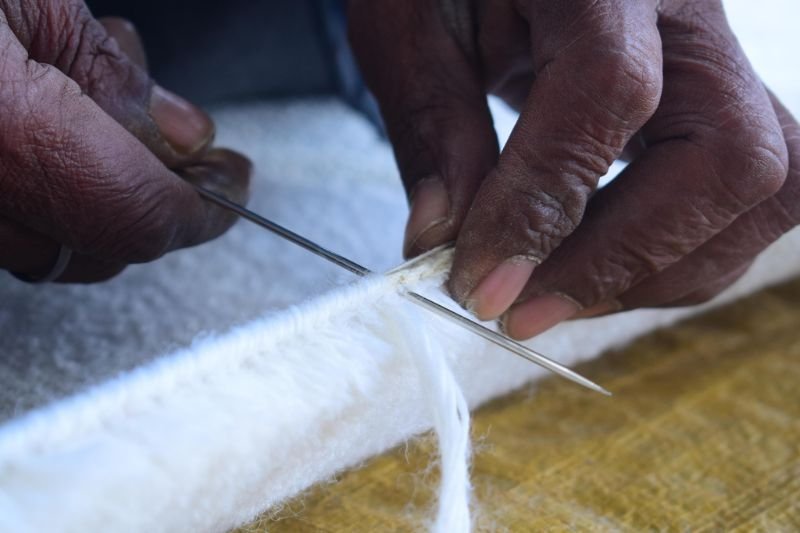
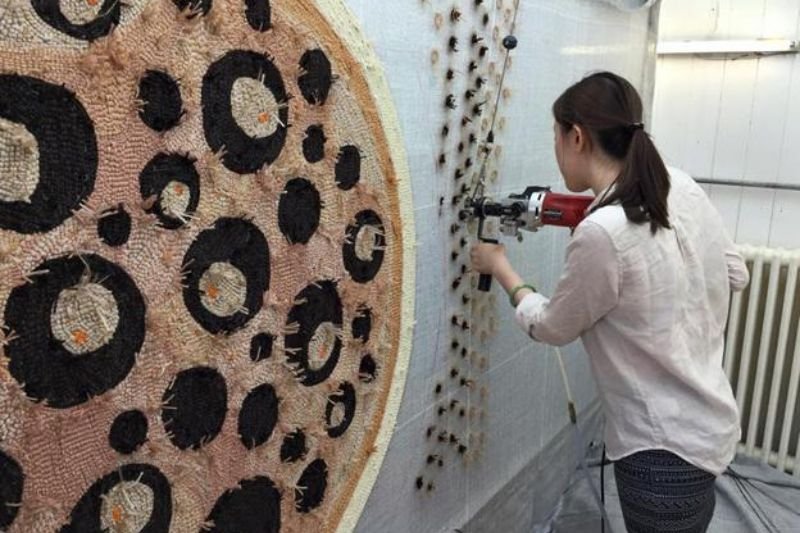
Here, every knot is tied individually.
Every line is followed by an eye.
Every colour transition is guided by the experience of an artisan rather than the precision of an algorithm.
Progress is measured not by output, but by attention.
It is this investment of time that gives handmade rugs a quality machines struggle to imitate. Small variations in texture, subtle shifts in tension, and the gentle rhythm of human craftsmanship create surfaces that feel alive rather than manufactured.
These nuances may appear almost imperceptible at first glance, yet together they produce something extraordinary—a rug that possesses character.
In a world increasingly dominated by automation, character has become one of luxury’s rarest qualities.
The Human Signature That Machines Cannot Reproduce
Every handcrafted rug carries an invisible signature.
Not a name woven into its corner.
Not a logo printed on its reverse.
But something far more meaningful.
The evidence of human hands.
Unlike industrial manufacturing, where perfection is achieved through uniform repetition, handcrafted production embraces subtle individuality. No two artisans apply identical pressure. No two knots are ever tied in precisely the same way. Even when following the same design, two master weavers will create pieces with their own quiet rhythm.
These variations are not imperfections.
They are authenticity.
Much like the brushstrokes within a painting or the tool marks left by a sculptor, they remind us that another human being has invested patience, skill, and experience into creating something that did not exist before.
This human signature is becoming increasingly valuable within contemporary interiors.
As homes fill with digitally fabricated objects, perfectly machined surfaces, and identical mass-produced furnishings, handcrafted pieces introduce warmth that technology cannot replicate.
They remind us that luxury is not found in flawless uniformity.
It is found in individuality.
Why Handmade Rugs Age Beautifully
Most manufactured products begin to decline from the moment they are purchased.
Paint fades.
Furniture loosens.
Synthetic materials flatten.
Surfaces deteriorate.
Handmade rugs follow a different path.
They mature.
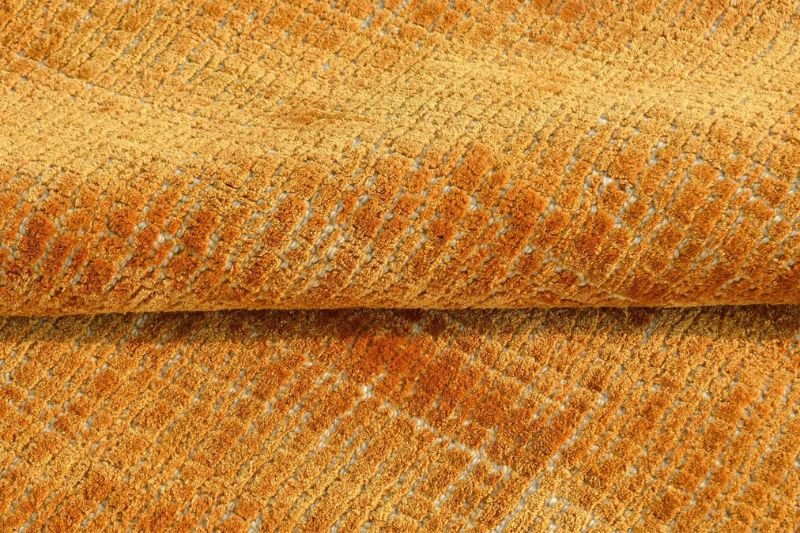
Premium wool develops a softer handle.
Natural fibres settle gracefully into the architecture of a room.
Colours gain subtle depth as they interact with changing light.
Rather than appearing worn, the rug begins to tell the story of the life lived around it.
This process is familiar within many other forms of luxury craftsmanship.
Full-grain leather develops a patina.
Solid timber deepens in colour.
Natural stone acquires gentle variations through time.
Handmade rugs belong to this same family of materials.
Their beauty is not frozen on the day they are completed.
It continues to evolve.
This ability to improve with age is perhaps one of the greatest distinctions between handcrafted and mass-produced design
Why Architects Continue to Choose Handmade Rugs
Step inside the studio of almost any leading interior designer, and you’ll notice an interesting pattern. Mood boards are no longer dominated by colours alone. Instead, they are filled with samples of limestone, oak, brushed brass, linen, travertine, plaster, and handwoven textiles. Contemporary design has become increasingly material-driven, where the character of a space is defined less by decoration and more by the authenticity of its surfaces.
Within this approach, handmade rugs have become indispensable.
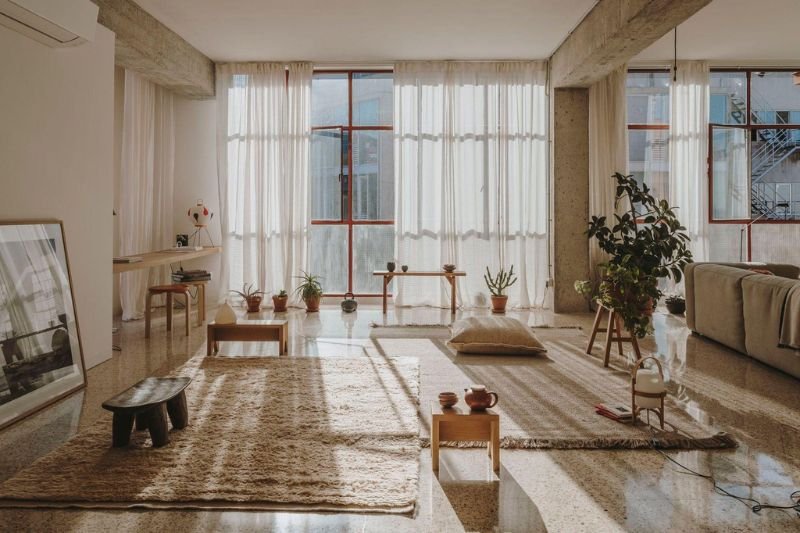
For architects, a rug is rarely specified simply because it fills an empty floor. It is selected because it contributes to the architecture of the room itself. It softens acoustics within expansive interiors, introduces warmth beneath natural stone, anchors furniture within open-plan layouts, and creates visual rhythm through texture rather than ornamentation.
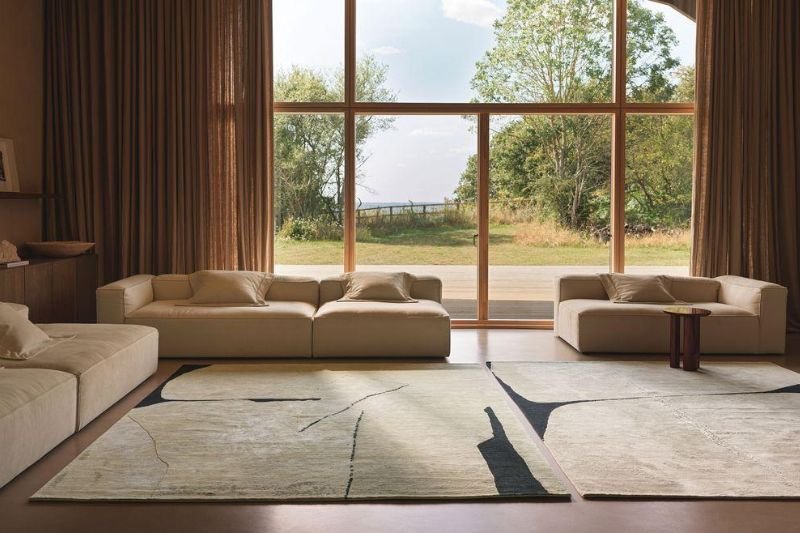
This architectural role becomes even more significant in contemporary interiors, where minimalism often relies on material richness rather than decorative complexity. When walls are intentionally restrained and colour palettes remain muted, every surface carries greater importance. The floor is no longer a passive backdrop; it becomes one of the defining elements of the interior.
A handcrafted rug offers something that few other materials can. It introduces softness without compromising sophistication, comfort without sacrificing elegance, and individuality without overwhelming the surrounding architecture.
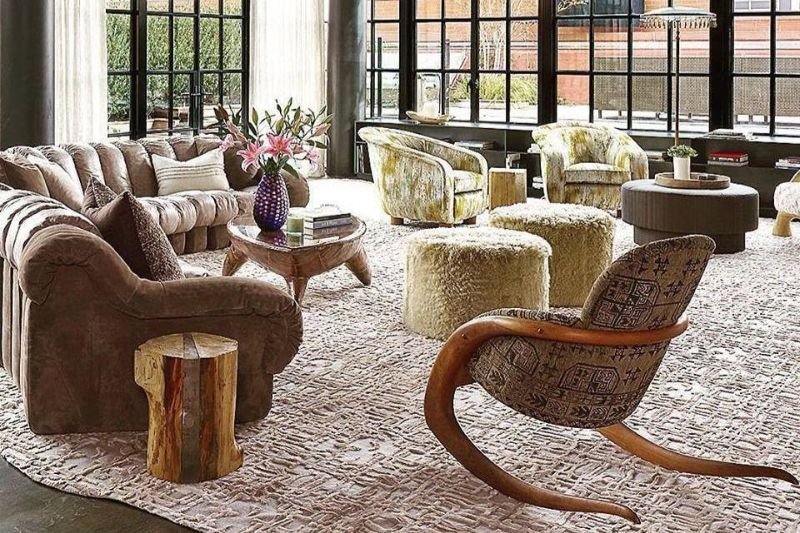
This is why bespoke handmade rugs continue to be specified for luxury residences, boutique hotels, executive offices, galleries, and private clubs around the world. They respond to architecture rather than merely occupying it.
The Difference Between Handmade and Machine-Made Is Not Just Quality—It's Philosophy
Comparisons between handmade and machine-made rugs often begin with technical specifications—knot counts, pile density, materials, or construction methods. While these characteristics certainly matter, they overlook a more fundamental distinction.
The difference is philosophical.
Machine-made rugs are designed around efficiency. Their purpose is to produce large quantities of identical products with consistency and speed. Every decision within the manufacturing process is optimised for scale.
Handmade rugs are designed around permanence.
They belong to a tradition where the value of an object is measured not by how quickly it can be produced but by how long it can endure. Time is invested rather than minimised. Precision is guided by experience rather than automation. Every stage of production reflects deliberate human judgement.
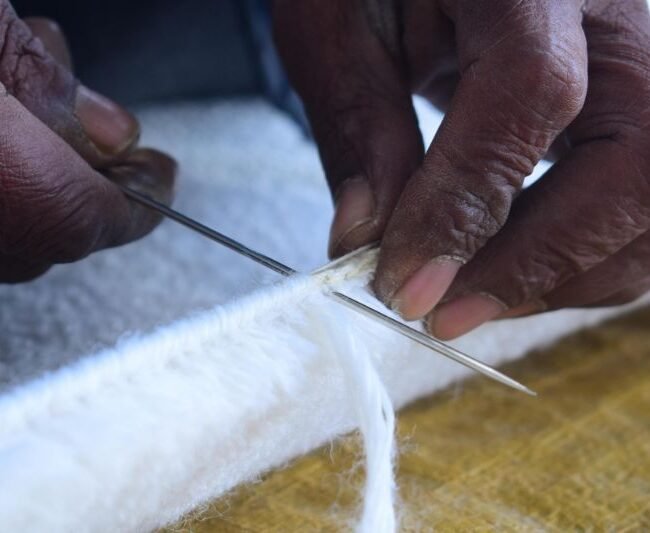
This philosophy influences everything from material selection to finishing techniques. Natural fibres are chosen because they mature beautifully. Construction methods are refined to withstand decades of use. Every edge is carefully finished, every transition thoughtfully considered, every detail shaped with longevity in mind.
The result is not simply a better product.
It is an entirely different relationship between maker, object, and owner.
A machine-made rug is purchased.
A handmade rug is commissioned, lived with, cared for, and often passed on.
That distinction is becoming increasingly meaningful in a world where fewer objects are designed to accompany us throughout our lives.
The Emotional Value of Imperfection
Luxury has long been associated with perfection.
Perfect symmetry.
Perfect polish.
Perfect consistency.
Yet some of the world’s most admired forms of craftsmanship tell a different story.
Japanese ceramics celebrate irregular glazes.
Italian marble is valued for its natural veining.
Hand-blown glass contains tiny variations that reveal the breath of the artisan.
Similarly, a handmade rug carries subtle differences that no machine can replicate.
A slight variation in pile height.
A gentle shift in colour where one skein of dyed yarn meets another.
An almost imperceptible change in texture created by the rhythm of human hands.
These are not defects.
They are reminders that the rug was created by people rather than produced by algorithms.
In contemporary luxury, authenticity has become more desirable than perfection. Designers increasingly seek materials that reveal their origins instead of concealing them. A handcrafted rug does precisely that. It reflects the patience, intuition, and individuality of the artisans who created it.
Its imperfections are not signs of inconsistency.
They are evidence of life.
When a Rug Becomes a Family Heirloom
Unlike most furnishings, a handmade rug often gains sentimental value as the years pass.
It becomes part of family photographs.
It witnesses birthdays, celebrations, quiet mornings, and everyday rituals that gradually transform a house into a home.
Children learn to crawl across its surface.
Guests gather around it during conversations that extend late into the evening.
Pets choose it as their favourite resting place.
Over time, the rug becomes intertwined with memory.
This emotional significance explains why handmade rugs are so often inherited rather than replaced. Across cultures, they move from one generation to the next, carrying stories that extend far beyond the moment they were purchased.
The small signs of age that appear over decades are rarely viewed as damage. Instead, they become evidence of a life well lived.
Few contemporary products possess this capacity.
Many are designed to remain fashionable for only a short period before being replaced by newer versions.
A handcrafted rug follows a different timeline.
Its relevance is measured in generations.
Craftsmanship as a Form of Sustainability
One of the most important conversations in contemporary design concerns sustainability. Yet sustainability is often discussed in terms of recycled materials, renewable fibres, or carbon emissions alone.
While these considerations are essential, they overlook a principle that has quietly guided craftsmanship for centuries.
The most sustainable object is often the one that never needs replacing.
A handcrafted rug woven from premium fibres may remain in use for fifty years or more. During that time, it avoids countless cycles of manufacturing, transportation, packaging, and disposal that accompany products designed for shorter lifespans.
Its longevity becomes an environmental advantage.
Moreover, handmade rugs support something equally valuable: the preservation of traditional knowledge.
Every rug represents generations of expertise passed from master artisans to apprentices. These techniques—whether hand-knotting, hand-tufting, carving, or finishing—cannot simply be automated without losing their essence.
By investing in handcrafted rugs, designers contribute not only to sustainable interiors but also to the continuity of cultural heritage and skilled craftsmanship.
Sustainability, in this context, becomes about more than materials.
It becomes about preserving knowledge.
The Quiet Confidence of Timeless Design
Design trends change with remarkable speed.
Colour palettes evolve.
Furniture silhouettes shift.
Materials move in and out of fashion.
Yet the finest handmade rugs possess a remarkable ability to remain relevant across changing interiors.
This timelessness is rarely accidental.
It is the result of balanced proportions, thoughtful material selection, and craftsmanship that prioritises longevity over novelty.
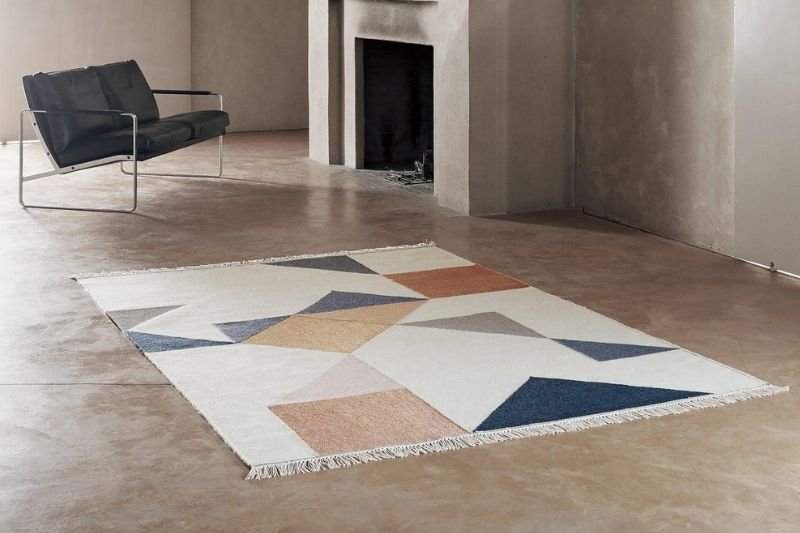
Rather than competing for attention, a handcrafted rug provides the foundation upon which other design elements can evolve. Furniture may be replaced, artwork rotated, walls repainted, but the rug continues to anchor the space with quiet confidence.
This ability to adapt across decades is perhaps one of its greatest luxuries.
The finest design does not demand constant renewal.
It grows alongside the people who live with it.
The Investment Value of Handmade Rugs
In the world of luxury, the word investment is often associated with art, architecture, or fine furniture. Handmade rugs deserve to be part of that conversation—not because they are expensive, but because they possess a rare ability to retain both relevance and meaning over time.
Unlike many interior products that are replaced as tastes evolve, a well-crafted rug adapts. It moves from one home to another, complements changing furniture, and acquires a deeper sense of character with each passing year. The subtle softening of wool, the gentle patina of natural fibres, and the memories woven into its presence all contribute to a value that extends beyond its original purchase.
Historically, some of the world’s most treasured rugs have appreciated not only in cultural significance but also in financial worth. Antique Persian carpets, rare Tibetan weavings, and exceptional European tapestries are now regarded as collectible works of art. While not every handcrafted rug is destined for an auction house, the principle remains the same: objects created with exceptional craftsmanship and enduring materials tend to outlast the trends that surround them.
For architects and interior designers, the true return on investment lies elsewhere. A bespoke handmade rug elevates an entire space. It enhances acoustics, introduces warmth, defines proportions, and provides a foundation that allows every other design element to perform at its best. Its value is measured not only in longevity but in the quality of experience it creates every single day.
This is perhaps the greatest distinction between cost and value.
Cost is paid once.
Value continues to reveal itself over decades.
Beyond Trends: Designing for Generations
Interior design has always reflected the spirit of its time. Colours evolve, silhouettes become softer or more structured, and materials move in and out of fashion. Yet the most admired interiors rarely feel tied to a particular decade. Instead, they possess a sense of permanence—a quiet confidence that allows them to remain relevant long after trends have faded.
Handmade rugs contribute to this timelessness because they are created with longevity rather than immediacy in mind.
The finest examples are not designed to dominate a room for a season. They are designed to support it for a lifetime. Their patterns are balanced rather than excessive. Their textures invite touch without demanding attention. Their materials improve with age instead of deteriorating.
This philosophy aligns closely with the growing movement towards slower, more intentional living. Around the world, homeowners are choosing fewer but better objects—pieces that carry meaning, demonstrate craftsmanship, and encourage a more considered approach to consumption.
In this context, a handmade rug becomes far more than a decorative element.
It becomes a commitment to enduring design.
The Rugs & Riches Philosophy: Every Rug Begins with a Story
At Rugs & Riches, every bespoke rug begins long before the first yarn is selected or the first knot is tied.
It begins with understanding the space.
Every project presents its own architectural language. A contemporary penthouse overlooking a city skyline demands a different material palette from a heritage residence surrounded by natural landscapes. A luxury hotel lobby must balance visual impact with durability, while a private library may prioritise warmth, acoustics, and tactile comfort.
Rather than offering predetermined solutions, our design process begins with conversation. We work closely with architects, interior designers, and clients to understand how a space will be experienced throughout the day. We study natural light, circulation, proportions, material finishes, and the emotional atmosphere the interior seeks to create.
Only then do we begin selecting fibres, textures, colours, and construction techniques.
Some projects call for the resilience and softness of premium New Zealand wool. Others benefit from the luminous quality of bamboo silk, the understated texture of hemp, or the contemporary refinement of TENCEL™. Every decision is guided not by trends but by purpose.
Our artisans then translate these ideas into handcrafted rugs using techniques refined through generations of expertise. Every carved detail, every carefully balanced proportion, and every finished edge reflects an unwavering commitment to craftsmanship.
For us, luxury is never about excess.
It is about creating pieces that belong so naturally within an interior that they feel as though they have always been there.
The Future of Handmade Luxury
As technology continues to transform manufacturing, it is tempting to assume that craftsmanship will gradually become less relevant.
The opposite is proving true.
The more automated our world becomes, the more people value objects that reveal the presence of human hands.
Across architecture, fashion, furniture, and interiors, there is a growing appreciation for authenticity over uniformity. Designers are increasingly drawn to materials that tell stories rather than simply perform functions. Clients seek spaces that feel personal rather than predictable.
Handmade rugs sit at the heart of this movement.
They represent patience in an age of speed.
Craft in an age of automation.
Permanence in an age of constant change.
Far from becoming obsolete, handcrafted rugs are becoming more meaningful precisely because they offer something machines cannot: individuality.
The future of luxury will not be defined by how quickly something can be made.
It will be defined by how thoughtfully it has been created.
A Foundation for Meaningful Interiors
The finest interiors are rarely remembered because of a single spectacular object.
They are remembered because every element feels connected.
The architecture.
The light.
The materials.
The craftsmanship.
The atmosphere.
Within this composition, the rug plays a remarkably quiet yet essential role. It grounds the space without overwhelming it, softens architecture without diminishing it, and introduces warmth without compromising elegance.
Its presence is often understated, yet its influence is profound.
This is why handmade rugs continue to hold such an enduring place within luxury interiors. They are among the few objects that combine artistry, function, sustainability, and emotional value in equal measure.
They remind us that true luxury is not about acquiring more.
It is about choosing pieces that continue to enrich our lives year after year.
A handcrafted rug is not simply placed beneath our feet.
It becomes part of the stories we create above it.
About Rugs & Riches
For more than three decades, Rugs & Riches has collaborated with architects, interior designers, hospitality brands, and discerning homeowners to create bespoke handcrafted rugs that celebrate craftsmanship, material innovation, and timeless design.
Every rug is developed through a collaborative design process that considers architecture, lifestyle, and the unique character of each project. By combining premium natural fibres with generations of artisanal expertise, we create rugs that are not only visually distinctive but built to endure.
At Rugs & Riches, we believe the finest interiors deserve rugs that do more than complete a room—they should define its character, enrich its atmosphere, and become part of its legacy
Frequently Asked Questions
Why are handmade rugs considered more valuable than machine-made rugs?
Handmade rugs are crafted individually by skilled artisans using time-honoured techniques and premium materials. Their durability, uniqueness, and ability to age gracefully give them lasting value that extends well beyond their initial purchase.
How long can a handmade rug last?
With proper care, a handcrafted rug made from high-quality natural fibres can last for several decades and, in many cases, become a family heirloom passed from one generation to the next.
Do handmade rugs improve with age?
Yes. Premium natural fibres such as wool often develop a softer texture and richer appearance over time. Rather than deteriorating, many handcrafted rugs gain character through years of use and careful maintenance
Are handmade rugs a sustainable choice?
Absolutely. Their exceptional lifespan, repairability, and reliance on skilled craftsmanship make handmade rugs one of the most sustainable investments in luxury interiors. A rug that remains in use for decades significantly reduces the environmental impact associated with repeated replacement.
Why do architects and interior designers prefer bespoke handmade rugs?
Bespoke rugs allow complete flexibility in size, shape, material, texture, and colour while ensuring the design responds precisely to the architecture of a space. They provide a level of craftsmanship and individuality that cannot be achieved through standard machine-made products
How does Rugs & Riches approach handmade rug design?
Every Rugs & Riches project begins with understanding the architecture, lifestyle, and vision of the client. From fibre selection to finishing techniques, every decision is guided by craftsmanship, longevity, and thoughtful design, resulting in bespoke rugs that are made to be lived with for generations.